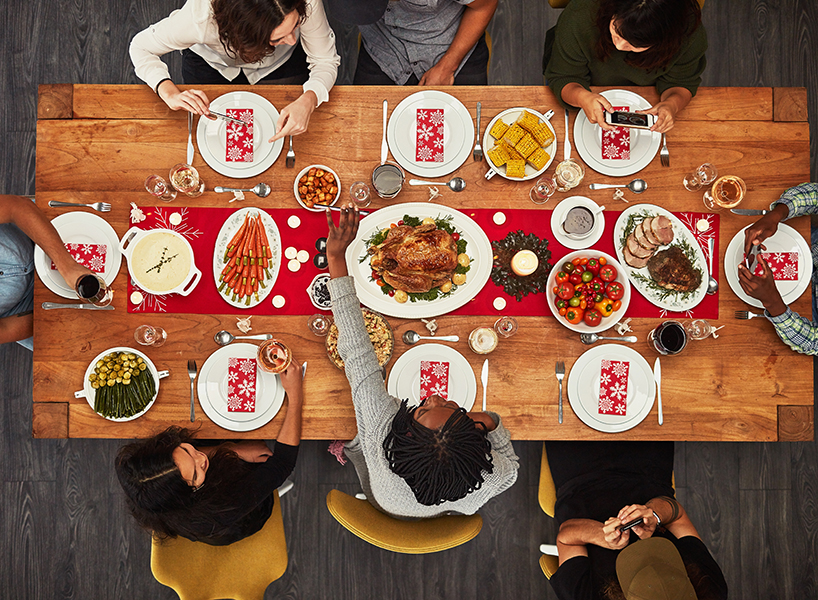
The holiday season often comes with the expectation of spending time with family and friends, and filling the calendar with a lot of festive activities, however, for those who are neurodivergent, this can be a kaleidoscope of overstimulation. Loud, crowded events, sensory overload, changes in everyday routines, and increased social expectations can make the holiday season dreadful. By setting clear boundaries, intentions, and leaning on close family and friends for support, the holidays can become more manageable and something to look forward to.
Neurodivergent Holiday Struggles
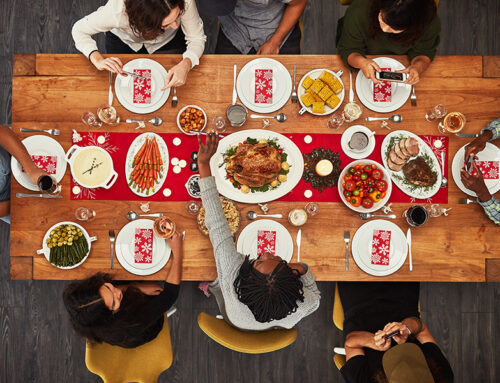
Holiday gatherings often stress neurotypical social norms, like chit chatting during appetizers, sitting around a table for hours, or being put on the spot to say what you are grateful for. Many neurodivergent folks mask heavily in these situations, meaning they suppress their natural tendencies to blend in and get by. However, underneath the mask, they may be experiencing significant stress. Common challenges include:
- Sensory overload due to lots of noise, loud music, crowds, bright lights, fragrances, and chaotic environments.
- Social fatigue can intensify during the holidays due to the expectation to interact with many people, keep up with small talk, and spend extended periods of time with friends and family.
- Changes in regular routine and new environments can be very disruptive and cause distress, overwhelm, anxiety, and frustration.
- It’s common for neurodivergent individuals to struggle with food, so trying to “fit in” and eat what is at gatherings and restaurants can be deeply distressing. Anxiety about new and unfamiliar foods, sensory sensitivities, as well as the social pressure around eating may contribute to avoidance of gatherings or events. What might feel like a fun, delicious dinner with loved ones could be extremely stressful and challenging if you have a complex relationship with food.
- Feeling pressure to join every conversation or keep your personal needs hidden can be exhausting and emotionally draining. Dealing with these social expectations usually requires extra energy, making it harder to relax and enjoy the holidays.
- Due to heightened experiences with sensory stimulation, if the space is chaotic, tense, or unpredictable, neurodivergent folks can feel overwhelmed and withdraw. This might lead to the experience of “shutdown”, meaning that it is difficult to communicate and function.
- Sensory overwhelm may also lead to a “meltdown”, meaning that emotion regulation becomes extremely difficult and the only way to move through the moment is to give in to the strong emotions and let them out through safe physical and verbal expression.
How You Can Manage Holiday Stress
- Comfort Bag⎯Pack a small bag with items that help you regulate. This could include noise-canceling headphones, sunglasses, a favorite fidget toy, or a weighted blanket to help soothe anxiety and calm the body.
- Dress Comfortably⎯If you’re sensitive to certain fabrics, choose outfits you know won’t cause irritation and make the situation more uncomfortable.
- Bring Safe Foods-Pack snacks or meals that include your safe foods to minimize anxiety about eating unfamiliar foods around others.
- Talk Through The Day⎯Talk with a close family member or friend about what will happen, what to expect before going to the event, and how to incorporate predictability into your routine when you can.
- Stimulation Breaks⎯It’s important to know when you need to take stimulation breaks to remove yourself from the environment if you’re starting to feel overwhelmed.
- Environment⎯Being in a safe environment with safe people who don’t need you to be anyone but yourself and are fine with you observing versus taking part in everything. But knowing this can’t always happen, you can decide your limits in advance. Before an event or dinner, decide how long you feel comfortable staying.
- Space Out Events⎯Have down time before holiday events and then when the holidays come, space out events so you’re not overwhelmed and agitated.
- Have An Exit Plan-Create an exit plan and communicate it to a trusted individual so that you can leave any social setting at any point if needed.
- Prep Like Any Other Day⎯Stick to normal prep and routines to start the day successfully. Sleep well the night before and have a good breakfast.
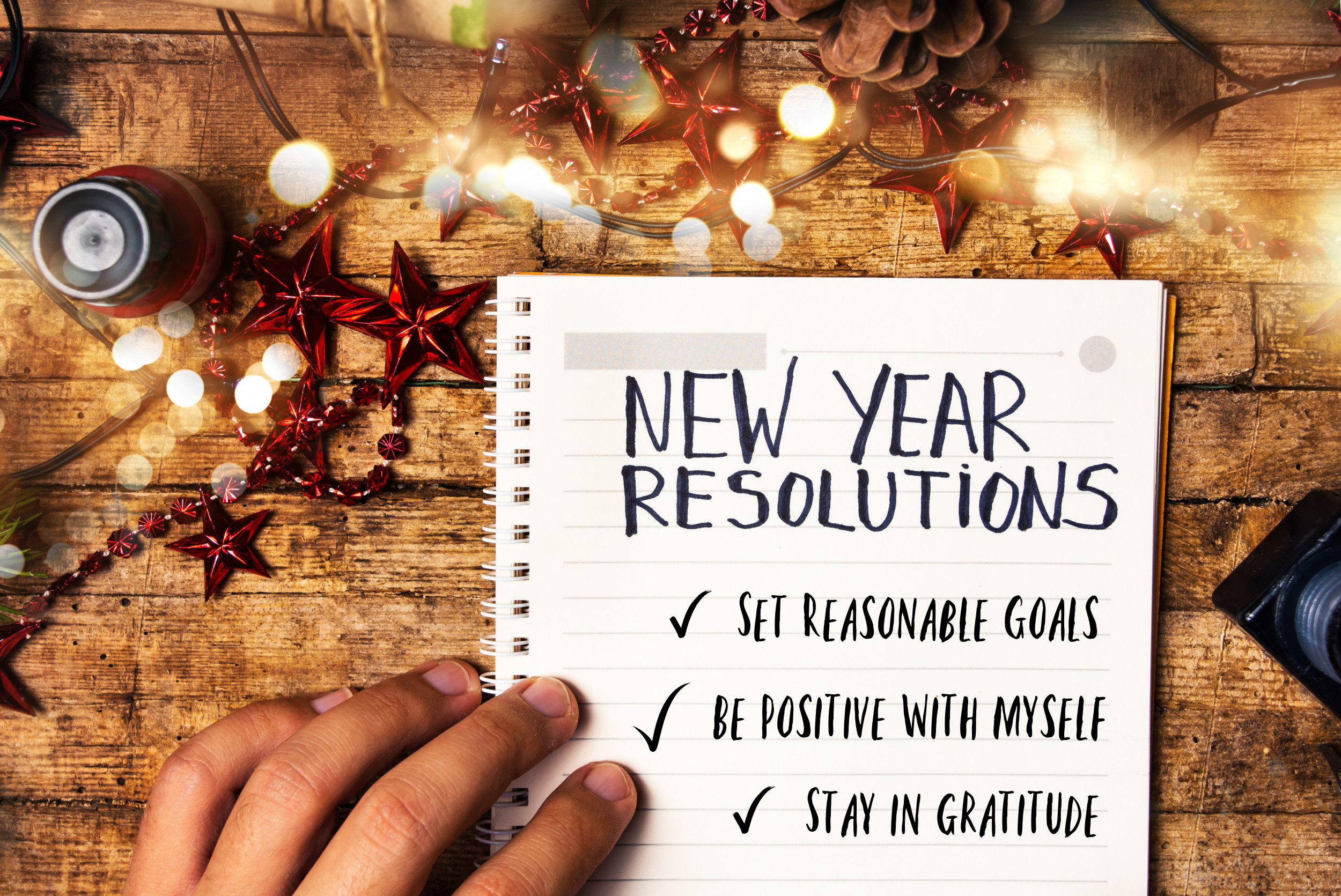
Don’t worry about having the “perfect” holiday season by neurotypical standards. Focus on the holiday traditions and moments you truly enjoy, and give yourself permission to take breaks and not feel pressured to say yes to every invite. By honoring your own needs, you’ll be able to celebrate in a way that feels authentic to you.
Counseling In DC, MD & VA & Telehealth In 43 States
If you’re worried about the holidays and want to talk through strategies about how to navigate them, our therapists at Georgetown Psychology offer in-person appointments in Georgetown (DC), Bethesda (MD), McLean (VA), and Alexandria (VA), and telehealth appointments in 43 states. We’re here to help you work through any challenges so you can look forward to gatherings, and feel confident about navigating tricky decisions. For more information about our counseling services or to schedule an appointment, contact Sarah Smathers, our Client Services Specialist, at sarah@georgetownpsychology.com or (301) 652-5550.
We offer psychoeducational evaluations, psychological testing, adult ADHD testing, autism assessments, independent school entrance testing, developmental assessments, and neuroaffirming evaluations. Contact Sarah Smathers at sarah@georgetownpsychology.com or (301) 652-5550 to schedule an appointment or for more information.