For many adults, receiving an autism diagnosis later in life can feel both validating and overwhelming. It often brings clarity to questions that you’ve had your whole life, while also bringing new emotions and perspectives to the surface. Whether the diagnosis comes in your 20s, 30s, 40s, 50s, or beyond, understanding what it means can help you move forward with greater self-awareness and confidence.
Why Autism Can Go Undiagnosed For Years
Autism is often diagnosed in childhood, yet many individuals go into adulthood without ever being evaluated. This is especially common for people who:
- Learned to “mask” or hide their differences to fit in socially
- Developed strong coping strategies early on
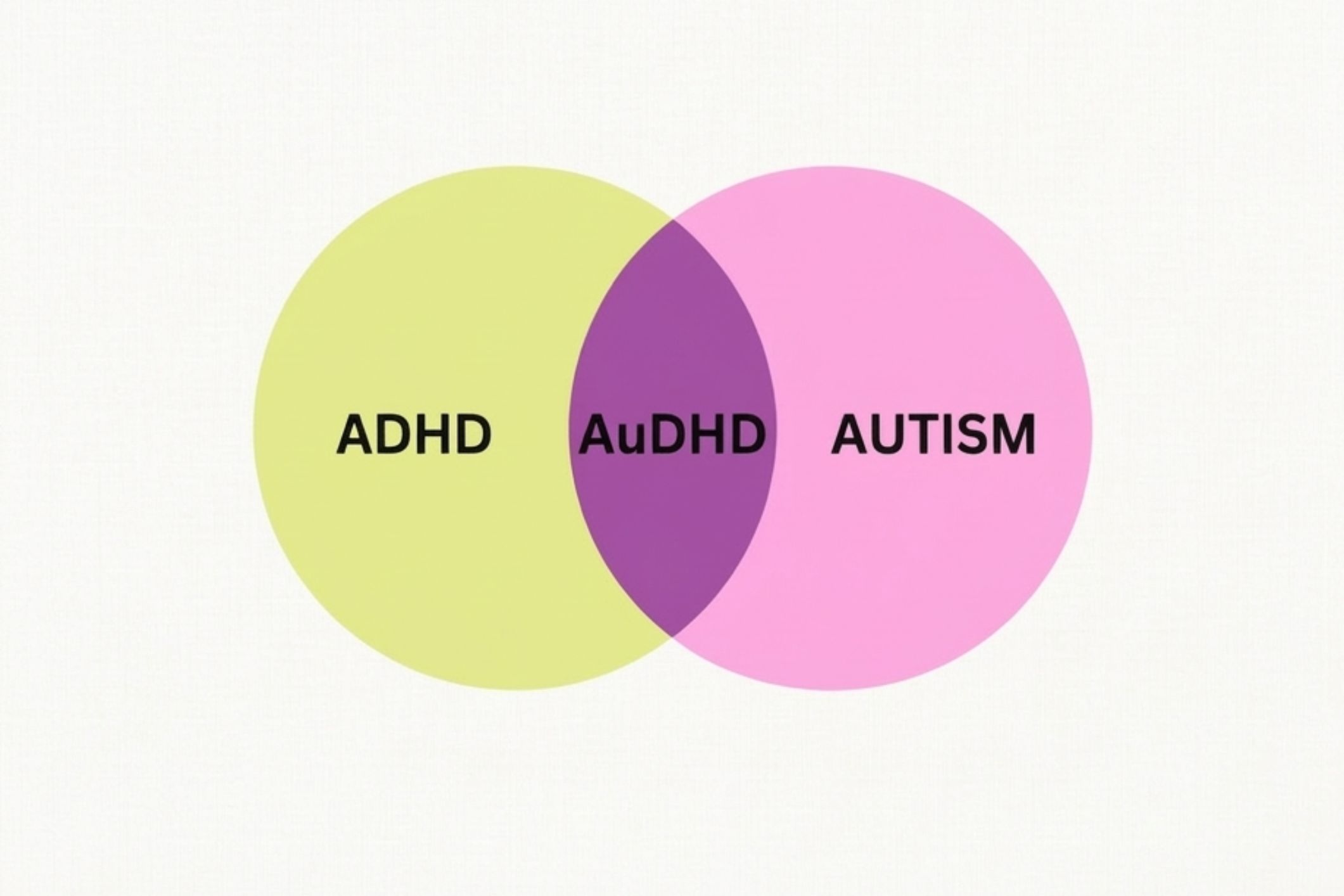
- Were misdiagnosed with anxiety, depression, or ADHD
In recent years, awareness has grown around how autism presents differently across individuals, particularly in women and those that didn’t meet the narrow and outdated criteria for an autism diagnosis. As this awareness grows, some adults are looking for a diagnosis after years of feeling like they aren’t understood by those around them. For many adults, a later-in-life diagnosis comes after a lifetime of “masking” so that they can fit in with neurotypical expectations. Masking can be really exhausting, often causing burnout that eventually drives people to seek answers.
Other lifelong patterns or experiences adults may recognize that often lead them to explore an autism diagnosis include:
- Sensory sensitivities to light, sound, or textures that others seem to easily ignore.
- Feeling consistently drained by social interactions or struggling to understand unspoken social rules.
- Children being diagnosed, causing parents to reflect on their own experiences.
- Developing a fixation or intense passion for specific subjects or hobbies.
- A history of being diagnosed with anxiety, depression, or ADHD, while still feeling like you don’t have the full picture of what’s going on.
- Needing strict routines in order to feel safe.
- Experiencing extreme distress when plans change unexpectedly.
Receiving An Autism Diagnosis As An Adult
A later-in-life diagnosis can trigger a wide range of emotions, including:
- Relief that you finally have an explanation for challenges you’ve experienced all your life.
- Validation that your experiences are real and shared by others.
- A sense of grief over missed support, misunderstandings, or past struggles.
- Wondering how this may shape your sense of identity and what it could mean for your future.
All of these feelings are completely normal and valid. Processing a diagnosis could be something individuals have to grapple with for years to come, which is why having a counselor who specializes in post-diagnosis support for autistic adults is so crucial as you continue to explore questions and answers about how to move forward.
Autism Testing For Adults In DC, MD & VA
Because autism presents differently between individuals, especially in those who mask, it’s important to find a neurodiversity-affirming clinician whose main goal is to understand your subjective experience of the world. Georgetown Psychology’s clinicians are experienced in later-in-life diagnoses, prioritizing a collaborative and supportive assessment process. Learn more about our autism testing for adults.
Navigating Relationships After A Later-In-Life Autism Diagnosis
Sharing your diagnosis with others can feel both liberating and challenging. Some people may respond with understanding and curiosity, while others may not fully understand. You may find it helpful to:
- Set boundaries around what you want to share.
- Educate close friends or family members by offering helpful resources.
- Connect with others who have similar experiences through adult autism support groups:
Autistic-Centered Therapy For Adults In DC, MD & VA & Online
Therapists at Georgetown Psychology are experienced in providing post-diagnosis support services to autistic adults. These therapy sessions provide an affirming, safe space for clients to continue to process their diagnosis and integrate their neurotype into their identity in a positive and empowering way. Therapy provides opportunity to work through past experiences, unlearn masking behaviors, recover from burnout, and build a stronger sense of identity and self-acceptance. Many clients explore when and how to self-disclose while learning ways they can advocate for their needs in personal and professional settings. For many adults, autistic-centered therapy offers validation, tools that can be used in everyday life, and support in creating routines and environments that feel more manageable and authentic.
To schedule an adult autism assessment, or if you have any questions, contact Sarah Smathers, our Director of Client Services at sarah@georgetownpsychology.com or call (301) 652-5550.
FAQs
Is It Common To Be Diagnosed With autism As An Adult?
Yes, it’s becoming increasingly common as awareness improves and diagnostic criteria evolve.
Can A Diagnosis Still Help Even Later-In-Life?
Many adults find it improves self-understanding, mental health, and relationships.
Can autism Look Different In Adults Than In Children?
Yes, adults often develop coping strategies (mask) so traits are less obvious, especially in social situations.
I Have Other Diagnoses. Should I Still Consider An autism Evaluation?
If you identify with Autistic traits, you should certainly still consider an assessment, as Autism commonly cooccurs with numerous other diagnoses. Further, unidentified Autism can result in misdiagnosis, and an evaluation can help with diagnostic clarity.
Where Can I Get An autism Diagnosis?
Georgetown Psychology’s offers autism diagnosis testing in Georgetown (DC), Bethesda (MD), McLean (VA), and Alexandria (VA).