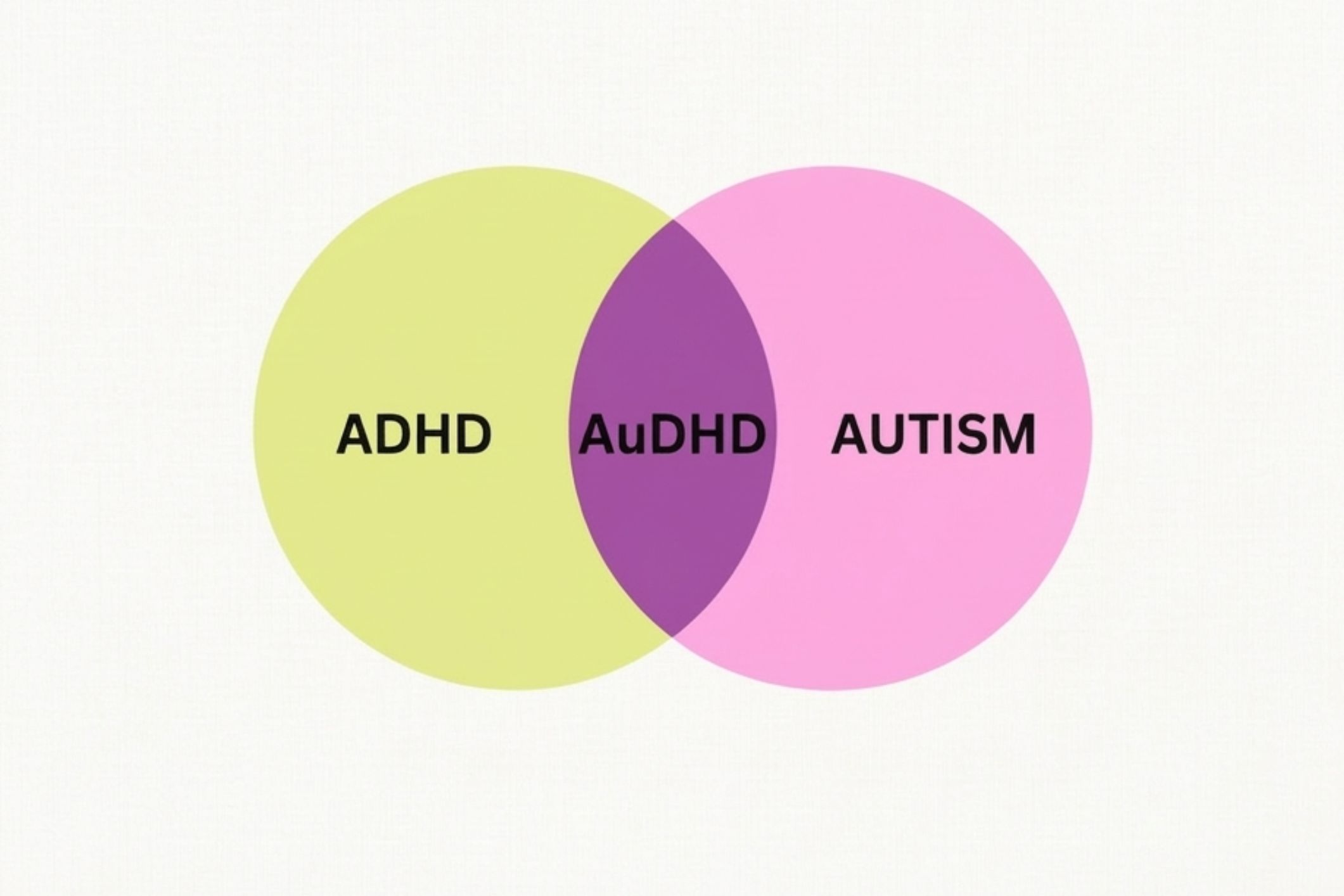
Have you ever felt a small comment trigger a visceral, emotional reaction that was so intense, it left you spinning for hours? That intense emotional response isn’t an overreaction, but a symptom of rejection sensitive dysphoria (RSD). RSD isn’t an official mental health diagnosis, but is very common for people that have ADHD, some autistic individuals, and others who are particularly sensitive to perceived rejection. Recognizing what triggers RSD can help you develop healthy coping strategies and regulate your emotional response to challenging situations.
What Is Rejection Sensitive Dysphoria?
RSD is extreme emotional sensitivity to real or perceived rejection, criticism, or failure. Those that struggle with RSD don’t just feel disappointed when things go wrong, but feel a sudden, crushing emotional pain that can be hard to describe to others. Up to 70% of adults with ADHD describe having extremely strong emotional reactions to criticism or perceived rejection, according to a study by The National Center for Biotechnology Information (NCBI).
RSD is often mistaken for mood swings, oversensitivity, or being “too dramatic.” Even though RSD isn’t an official medical diagnosis, the emotional pain is very real for those who experience it, and isn’t just about being overly sensitive.
What Are Rejection Sensitive Dysphoria Triggers?
RSD triggers vary from person to person, but many people experience similar patterns in situations involving criticism, rejection, or perceived failure. Understanding what your personal triggers are will help you recognize emotional reactions sooner and develop coping strategies so that your day isn’t affected by this. Some common RSD triggers include:
Criticism
Even constructive feedback or a suggestion can feel like a personal attack. An individual with RSD may focus less on the actual message, and more on what they believe it means about them. For example, they could be told to edit part of their work by a manager. This is common feedback people get in the workplace, but for a person with RSD, they may feel like everything they do is awful.
Perceived Failure
Missing a goal, making a mistake, or falling short of your own high standards can ignite intense emotional pain. With RSD, the failure often feels bigger than it really is. A single error can feel like proof that you’re not good enough.
Social Exclusion
Feeling left out or excluded can be a big emotional response. Situations that may seem minor to others like not being addressed in a big group discussion or noticing a friend has read your message but hasn’t replied yet can feel really painful, and can be interpreted as a sign of rejection. An individual with RSD may question whether they did something wrong, if someone is upset with them, or if they’re no longer liked by the people around them. These thought patterns usually lead to feelings of anxiety, sadness, shame, or isolation.
Playful Joking
A joking comment from a friend, family member, or coworker may be interpreted as criticism, embarrassment, or a sign of disapproval, even when the person making the comment isn’t intending to cause pain. This can be especially difficult when the teasing touches on areas where someone already feels vulnerable (e.g., habits, appearance, personality, mistakes, or social interactions).
High-Pressure Situations
High-pressure situations can feel especially intense because there is the possibility to make a mistake and be subject to criticism or judgment. Presentations, deadlines, exams, job interviews, or difficult conversations may trigger fears of failure or letting others down, which amplifies concerns about how they are viewed by those around them.
Why People With RSD May Feel Shame
Because people with RSD experience emotions more intensely and have difficulty regulating these feelings, criticism or rejection can feel like a judgment of who they are rather than just feedback about a specific situation. This can lead to a cycle of shame, self-doubt, and negative self-talk, even when the original trigger may seem minor to others. To reduce the distress caused by feelings of rejection, individuals with RSD may develop protective habits that can prevent them from being fully engaged in certain situations. Examples of these habits can include:
- People-pleasing⎯Going out of your way to avoid any kind of disapproval.
- Perfectionism⎯Setting impossibly high standards to avoid failure.
- Avoidance⎯Skipping opportunities, relationships, or challenges to minimize possible rejection.
- Withdrawal⎯Distancing themselves as a way to protect from any potential hurt, embarrassment, or shame.
These protective measures can unintentionally create a cycle where fear of rejection leads to behaviors that limit connection, confidence, and opportunities for growth.
Rejection Sensitive Dysphoria Therapy In Washington DC, McLean, Bethesda, Alexandria & Virtually
Living with RSD can make feedback, criticism, or conflict feel really hard and painful. Therapy helps people struggling with RSD understand the connection between rejection sensitivity, shame, and self-doubt, while developing healthier ways to manage emotional dysregulation. Georgetown Psychology’s founder, Dr. Maria Zimmitti wants to shift the conversation about RSD from feelings of personal failure, toward deeper understanding, greater self compassion, and effective strategies to manage RSD’s impact on daily life.
At Georgetown Psychology, individuals experiencing Rejection Sensitive Dysphoria (RSD) can access compassionate, evidence-based therapy in Georgetown (DC), Bethesda (MD), McLean (VA), and virtually. If you prefer in-person sessions, our therapists see clients at our locations in Washington DC, McLean, or Bethesda, or can see clients virtually in 43 states.
Contact our Client Services Specialist Sarah Smathers, at sarah@georgetownpsychology.com, by filling out our online form, or calling us at (301) 652-5550.
Our clinics also offer emotional and psychological testing, autism assessments, ADHD & Executive Function Coaching, Cognitive Baseline Testing, and psychodynamic therapy.
FAQs
Does everyone with ADHD experience RSD?
RSD is often associated with ADHD, but it doesn't affect everyone. How intensely an individual experiences emotions varies from person to person.
Can fear of rejection cause someone with RSD to avoid situations?
To protect themselves from possible rejection, shame, or embarrassment, some individuals with RSD may avoid challenges, difficult conversations, relationships, or opportunities where they fear they could fail or be judged.
Why do mistakes trigger RSD?
Mistakes can feel like proof of failure rather than a normal part of learning. Someone with RSD may experience intense shame, self-criticism, or worry about how others perceive them after making an error.
Is RSD lifelong?
Learning emotional regulation skills, building self-awareness and self-compassions, addressing underlying ADHD symptoms, and working with a therapist can help people better understand their triggers and respond to these experiences in healthier ways. With the right support and coping strategies, RSD reactions can become easier to recognize, regulate, and navigate.