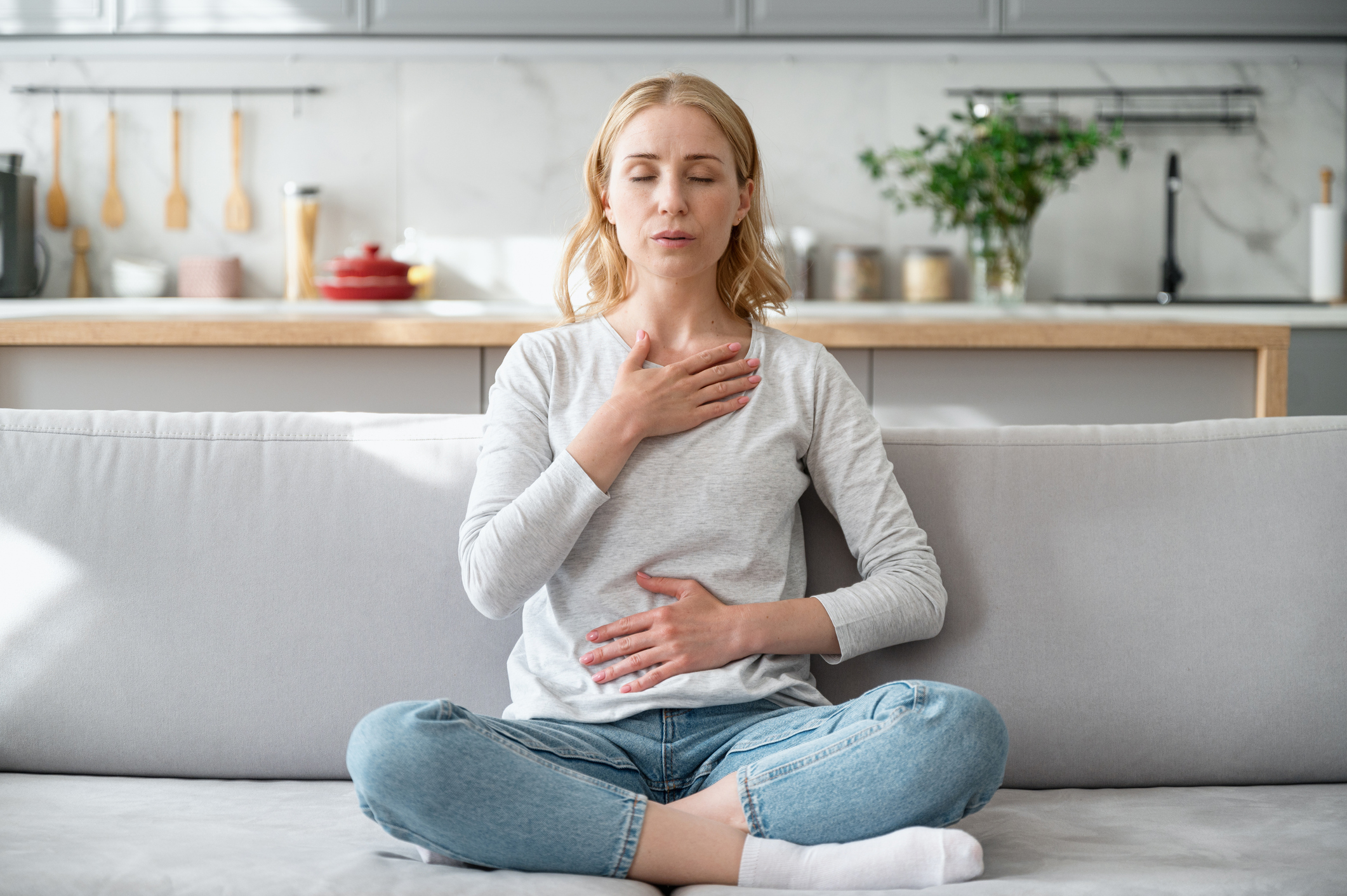
Anxiety disorders are among the most common mental health conditions worldwide, and women experience them at almost twice the rate men do. Anxiety is a natural response to stress, but when feelings of worry, fear, or nervousness become persistent, overwhelming, and begin to interfere with daily life, this may be a sign of an anxiety disorder.
Learn more about anxiety disorders that are most common in women, and biological, hormonal, and social factors that can heighten anxiety.
Why Are Anxiety Disorders More Common In Women?
According to the Anxiety and Depression Association of America, women are nearly twice as likely as men to experience an anxiety disorder. Research by the National Institute of Mental Health confirms that women are disproportionately impacted due to a combination of the following factors:
- Hormonal fluctuations during puberty, the menstrual cycle, pregnancy, postpartum, perimenopause, and menopause may influence how severe anxiety symptoms are
- Greater caregiving responsibilities and long-term stress
- Higher rates of trauma exposure, which can increase the risk of developing anxiety disorders
- Genetic and biological differences that influence how the brain responds to stress
- Societal pressures related to work, family, relationships, and appearance
Common Anxiety Disorders In Women
Women can experience several different types of anxiety disorders. Here are common anxiety disorders.
Generalized Anxiety Disorder
Generalized anxiety disorder (GAD) involves excessive, ongoing worry about everyday concerns, such as work, finances, family, or health. This type of worry is difficult for those who suffer from it to control, and typically persists for at least six months. Common symptoms include:
- Constant worrying
- Restlessness
- Fatigue
- Difficulty concentrating
- Muscle tension
- Sleep problems
Panic Disorder
Panic disorder causes recurrent, unexpected panic attacks that trigger intense fear and physical symptoms, including:
- Rapid heartbeat
- Chest pain
- Sweating
- Shortness of breath
- Dizziness
- Feeling out of control
Some women with panic disorder avoid places or situations where panic attacks have happened out of fear that another attack will happen, which can affect day to day life.
Social Anxiety Disorder
Social anxiety disorder is more than shyness. It’s characterized by an intense fear of being judged or embarrassed in social situations. Women with social anxiety may avoid meetings, parties, public speaking, or everyday conversations, and they often replay social interactions long afterward, worrying that they said or did something wrong.
Obsessive-Compulsive Disorder
Obsessive-compulsive disorder (OCD) involves unwanted, intrusive thoughts, images, or urges (obsessions) that lead to repetitive behaviors or mental rituals (compulsions) performed to reduce anxiety or distress. In many women, OCD symptoms may worsen or first appear during hormonal transitions, including pregnancy, postpartum, perimenopause, and menopause.
Social & Psychological Factors
Social and psychological factors play a large part in the higher prevalence of anxiety disorders in women, and may contribute to both their onset and ongoing symptoms.
Social influences include chronic stress, caregiving, work pressures, and trauma, such as abuse or violence, relationship difficulties, financial strain, and cultural expectations placed on women. These ongoing stressors can keep the body in a heightened state of alert, increasing anxiety risk over time.
Psychological factors include personality traits like perfectionism or high sensitivity to stress, as well as thinking patterns that cause individuals to overthink, ruminate, and catastrophize. Early life experiences and learned responses to fear or stress can also influence how the brain responds to uncertainty.
Biological & Hormonal Factors Affecting Anxiety Disorder
When hormone levels fluctuate, some women may notice changes in anxiety symptoms. This is especially common during premenstrual syndrome (PMS), premenstrual dysphoric disorder (PMDD), pregnancy, postpartum period, and perimenopause. The American Psychological Association notes that women report higher average stress levels and tend to internalize responses, which can amplify anxiety sensitivity.
Anxiety disorders often run in families, so women with a family member who has an anxiety disorder, could have a higher likelihood of being susceptible to these conditions. Even if anxiety disorders are inherited, how anxiety shows in family members can be different. For example, a parent may have GAD, but their child has OCD.
Why Does Perimenopause Make OCD Worse?
Obsessive thoughts can spike during perimenopause because fluctuating estrogen and progesterone levels affect serotonin and dopamine, which are key neurotransmitters that regulate mood, focus, and mental clarity. As these hormones change, the brain may find it harder to disengage from intrusive thoughts.
Sleep disruption in perimenopause is common, and causes an increase in anxiety, which can make it feel like you’re “stuck” ruminating on unwanted thoughts.
8 Tips For Managing Anxiety Disorder Symptoms
1. Practice Calming Breathwork
Slow, controlled breathing (diaphragmatic breathing) helps calm the nervous system and reduce physical symptoms like a racing heart or shortness of breath.
2. Challenge Anxious Thoughts
Anxiety often involves distorted thinking patterns, such as catastrophizing or imagining worst-case scenarios. Gently questioning or reframing these thoughts can help reduce their intensity over time.
3. Prioritize Regular Exercise
Consistent exercise helps regulate stress hormones and can improve mood and sleep, both of which affect anxiety levels.
4. Limit Stimulants
Reducing caffeine and other stimulants can help minimize physical symptoms like jitteriness and restlessness.
5. Practice Grounding Techniques
Grounding exercises (e.g., focusing on your senses or being present in the moment), can help interrupt spiraling thoughts or feeling like a panic attack may be coming on.
6. Gradual Exposure To Triggers
Avoidance can reinforce anxiety, so gradually facing feared situations in small, manageable steps can help reduce anxiety symptoms
7. Prioritize Sleep
Healthy sleep helps calm the nervous system, improves emotional regulation, and reduces the intensity of anxious thoughts.
8. Therapy For Anxiety Disorders
Working with a licensed therapist is an important step for managing anxiety. Cognitive behavioral therapy (CBT) is one of the most well-researched and evidence-based treatments for anxiety disorders because it helps individuals identify negative thought patterns that contribute to excessive worry and fear. Through therapy, people learn to recognize and challenge anxious thought patterns, develop more balanced and realistic perspectives, and build practical coping skills to manage anxiety in everyday life. With consistent practice, these strategies can help reduce anxiety symptoms, and improve overall physical and emotional well-being.
Therapist For Anxiety Disorders at Georgetown Psychology In Washington DC, McLean, Bethesda & Virtually
Anxiety disorders affect women in deeply personal ways, and understanding what’s happening in your mind and body can make the experience feel less frightening and more manageable. Our therapists at Georgetown Psychology take a personalized approach to treating anxiety to identify the root causes of your anxiety and develop strategies that will address and help you manage your symptoms.
You don’t have to face anxiety alone. Take the first step toward relief by talking to one of our licensed therapists who specialize in anxiety in women by contacting Sarah Smathers, our Client Services Specialist at sarah@georgetownpsychology.com, by filling out our online form, or calling us at (301) 652-5550. We serve patients in Georgetown (DC), Bethesda (MD), or McLean (VA), with telehealth services available in 43 states.
Our clinics also offer emotional and psychological testing, autism assessments, ADHD & Executive Function Coaching, Cognitive Baseline Testing, and psychodynamic therapy.
FAQs
How do hormones influence anxiety in women?
Hormones like estrogen and progesterone interact with brain chemicals such as serotonin and dopamine, which help regulate mood and stress response. Fluctuations in these hormones can make anxiety symptoms more noticeable or harder to manage at different life stages.
What are common anxiety disorders in women?
Women are more frequently diagnosed with generalized anxiety disorder (GAD), panic disorder, social anxiety disorder, and obsessive compulsive disorder (OCD).
What are common symptoms of anxiety in women?
Symptoms can include, persistent worry, racing thoughts, restlessness, fatigue, difficulty sleeping, muscle tension, irritability, and difficulty concentrating. Physical symptoms like rapid heartbeat or stomach discomfort are also common.
Are anxiety disorders in women treatable?
Anxiety disorders are treatable with therapies like cognitive behavioral therapy (CBT), medication (when appropriate), lifestyle changes, and stress management techniques.